
Reading the situation
The number of cameras depends on tasks: overview, recognition, access, terrain or indoor space. A system with three focused positions can fit better than six wide images that have no clear function.
One camera at a front door and sixteen cameras on a site don't only require a different number of channels. Storage, network, power, users and the daily way of looking back grow with them.
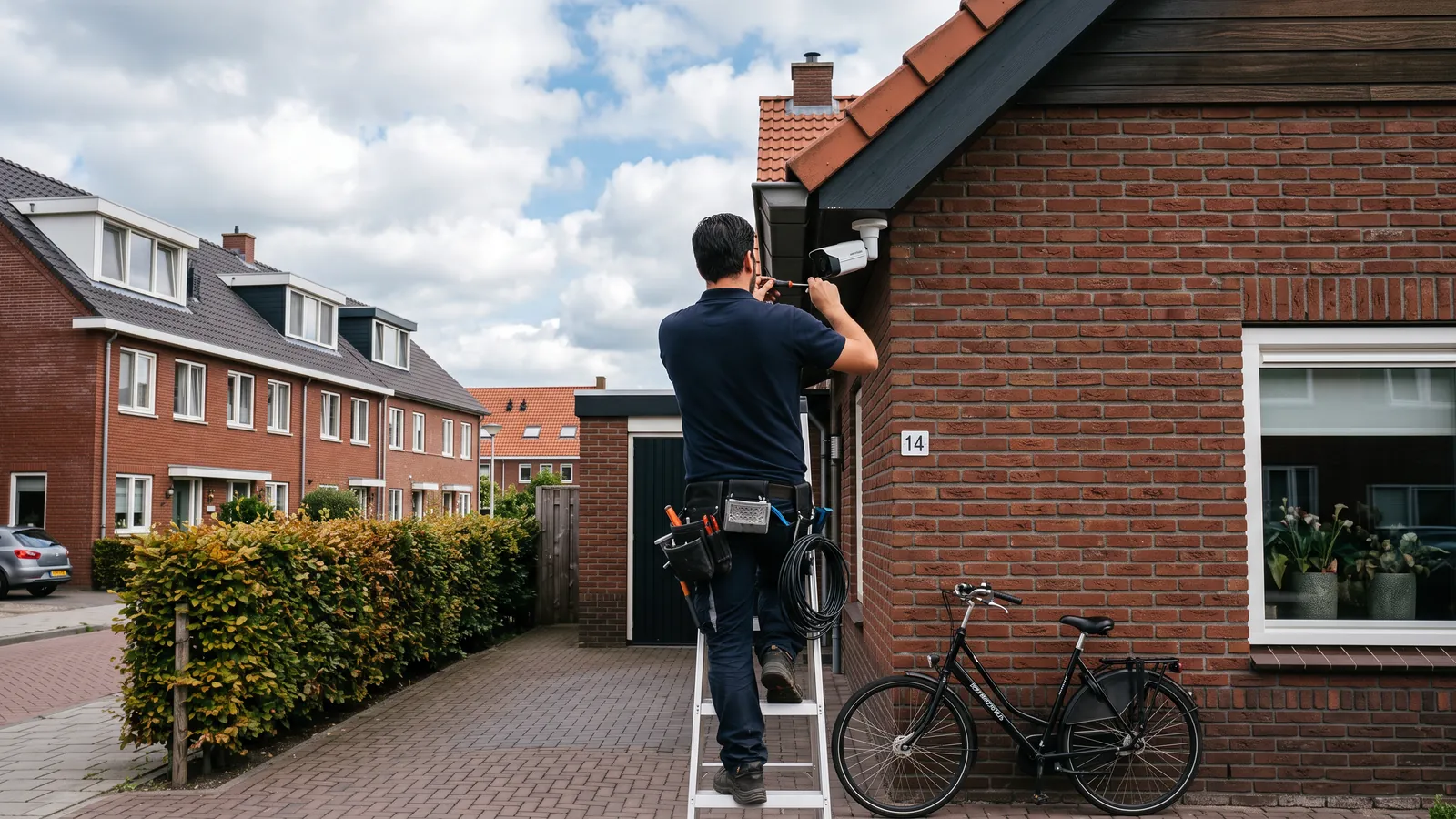
The number of cameras depends on tasks: overview, recognition, access, terrain or indoor space. A system with three focused positions can fit better than six wide images that have no clear function.
Establish a line of sight for each desired camera, choose resolution and recording options. Then calculate storage duration, expected load, free recorder channels, hard drive space, and PoE power with margin for night vision, expansion, and other network equipment.
Choose recorder, storage, and power as one plan. Keep space for future channels, but don't buy only maximum capacity without a use purpose. Also, record the name, location, and responsible user for each camera.
Test all critical channels simultaneously under normal load and then locate a recording by zone. Check disk status, available space, power supply and user rights, and review the calculation as soon as cameras or recording behavior change.
Only if the storage period and the use of that space justify it. Recording quality, number of cameras and schedule determine the necessary capacity.
Not automatically. Add up the available budget and the actual consumption per camera, including peak load and margin.