
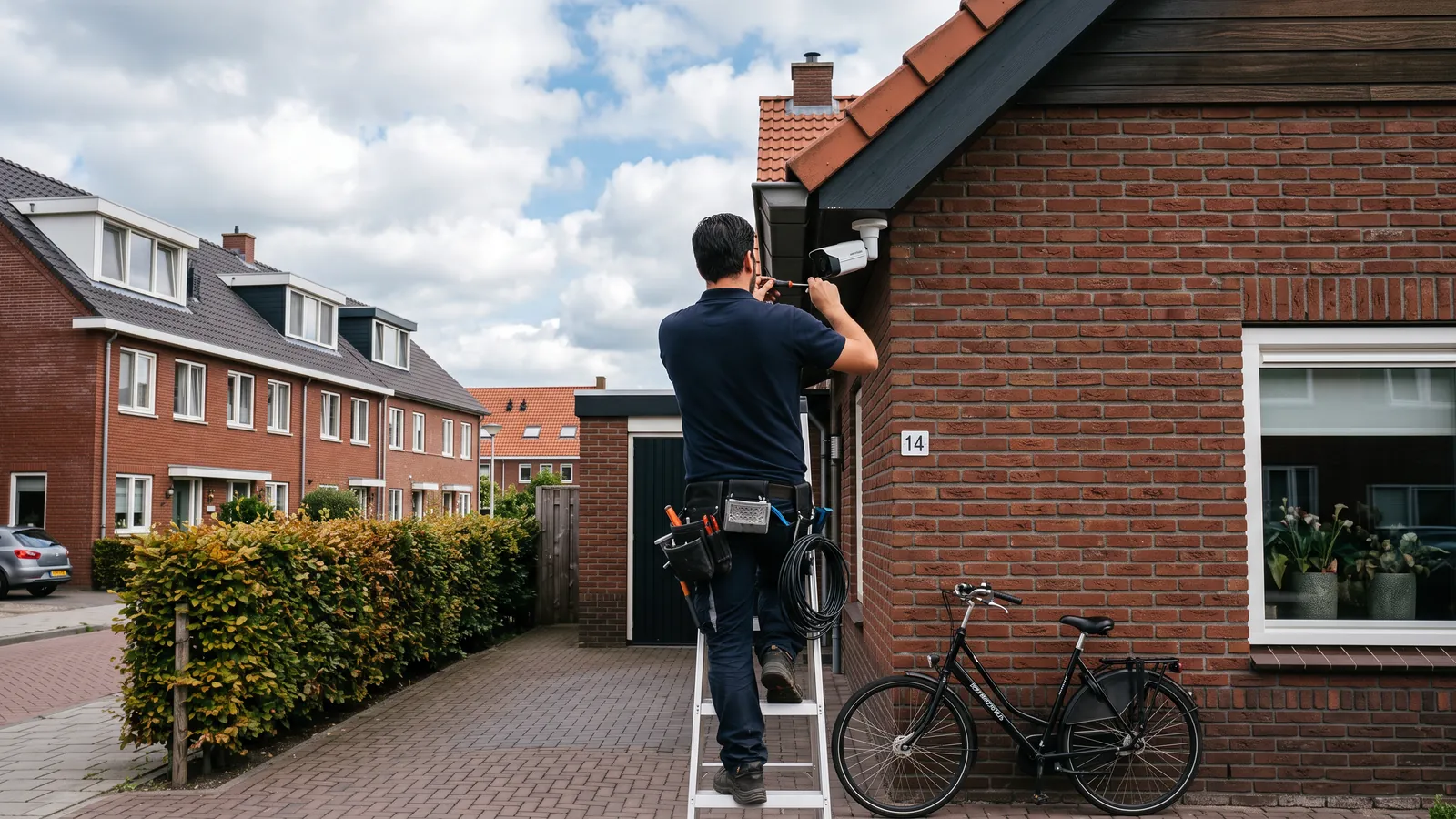
Limit camera alerts during rain and insect activity
advice

Limit camera alerts during rain and insect activity

Rain, spiderwebs and insects near the lens can especially give irregular reports in night vision. Lower sensitivity is not always the solution, as it can also miss the desired event.

Limit camera alerts during rain and insect activity

Reading the situation

Insects are often visible when infrared light bounces off at short distances. During rain, droplets, headlights, and shiny surfaces can alter the scene. Therefore, the actual cause often lies in lighting and editing, not in a single menu option.

First evaluate

View recorded messages at the time and image. Check the lens, hood, spiderwebs, reflective surfaces, viewing angle, and the position of the lighting. Then note which detection type caused the message and whether the camera or recorder performs this analysis.

The correct next step

First, make the physical scene calmer: clean safely, improve the viewing angle, or avoid having the lens look straight across a reflective surface. Then, adjust the zones, time schedule, or detection criteria one by one and keep the output setting.

Check after the change

Test a relevant trail route during day and night and compare it with a period when rain or insects reported earlier. Check checklist, recording and phone alerts separately so you can see which part of the chain is changing.

Frequently asked questions

Does lowering sensitivity always help against insects?

No. It can also be less easily recognized by a real visitor. First assess the lighting, lens environment, and the drawn detection zone.

Why does night vision get worse in the rain?

Light can reflect off droplets or a nearby surface. The exact effect depends on placement, lighting, and camera settings.

AddedView →