
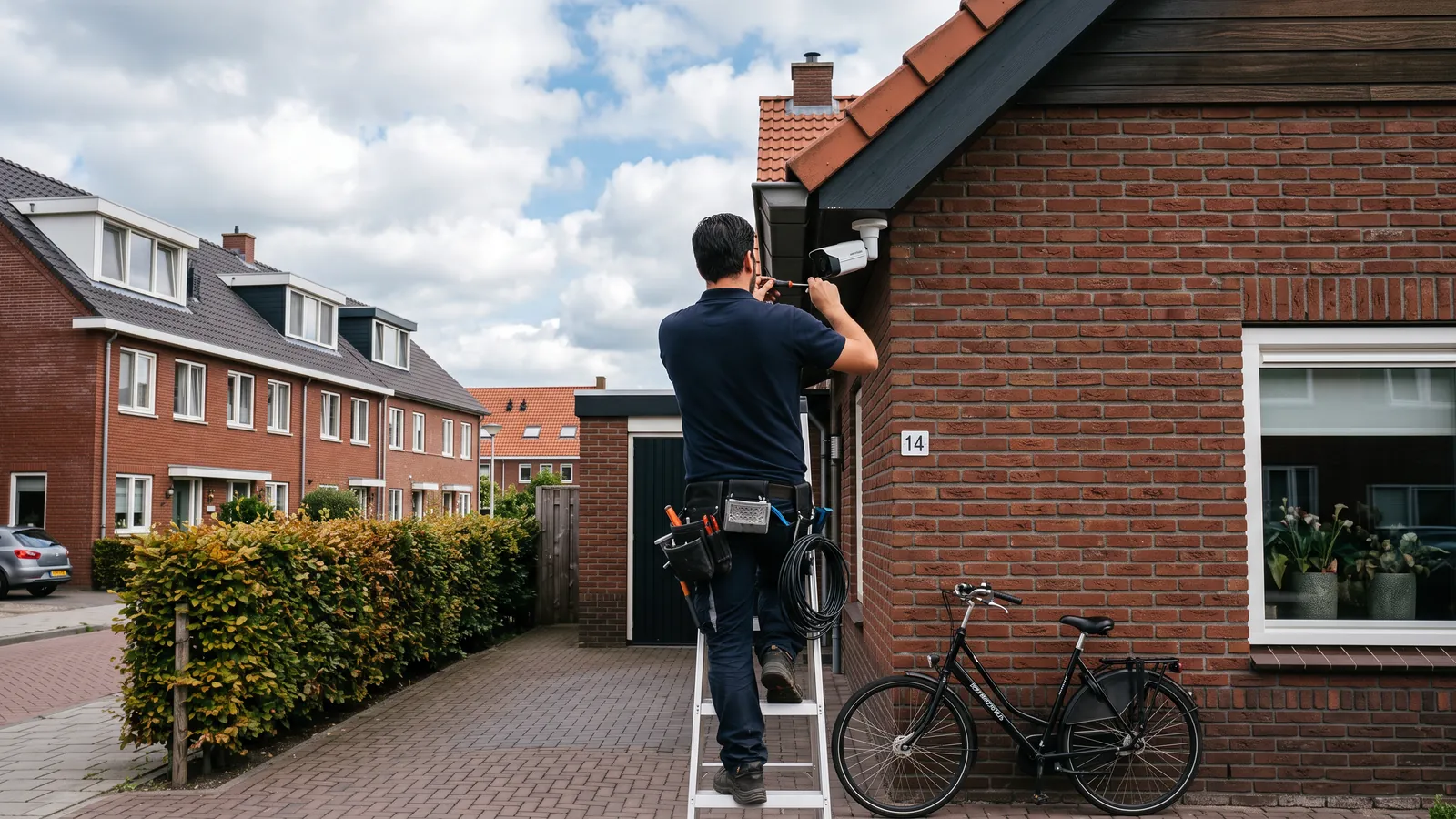
Have the camera installed on the solar panel
advice

Have the camera installed on the solar panel

A solar panel can support a suitable camera power supply, but the available energy varies with the weather and location. The installation must match the panel, battery and camera recording behavior. Just seeing that the charging light is on on a sunny afternoon is not evidence of sufficient energy for the entire year.

Have the camera installed on the solar panel

Choose the panel at the supported configuration

Use a combination designed for the camera or the power system. Check connectors, charging regulation, and available battery in the model documentation. Connecting any random panel directly to a suitable plug is not an under‑built installation. Ask for a combined system who evaluates the electrical combination and load.

Assess shadow throughout the day

Note where the panel can be installed and which trees, roof edges or buildings block sunlight. The best camera viewing angle does not necessarily have to be the best panel position. Therefore, also take into account the allowed cable length and panel mounting. Consider changes such as leaves on trees or material storage on a site.

Record the desired recording behavior

Continuously recording, regularly watching live and only saving event clips can generate different energy demands. Check which usage modes the combination supports. Do not unknowingly lower the agreed monitoring goal to allow the battery to last longer. Discuss in advance which availability is needed and how it is assessed when there is less sun.

Arrange a maintenance route

The battery and the panel must remain accessible for the prescribed inspection. Determine who follows low battery levels or power outages and what the possible additional charging option is. A solar camera remains a managed device. Indicate in the request how often someone visits the location and whether maintenance without a hoist is possible.

Follow loading and recording after placement

Check multiple usage periods and retain the observed battery status and recording availability. An installation in the summer will later require assessment of conditions, among other things. Document the basis of the dimensions and any agreed limitations. This ensures it is clear whether a shortfall needs to be investigated due to installation, load, or a technical defect.

Frequently asked questions

Does a solar panel guarantee that I never have to charge it?

No. That depends on the combination, circumstances and load. Plan how a energy shortage is covered.

Do the panel and camera have to point in the same direction?

Not necessary. The viewing direction and suitable panel position are different choices within the allowed mounting setup.

AddedView →