
The practical signal
A construction site can have dust, movable containers, changing access and often limited power or network. A camera that is properly positioned today can film a pile of material next week.
Temporary camera surveillance has a different purpose than a permanent residential installation: conditions and routes change during the project.
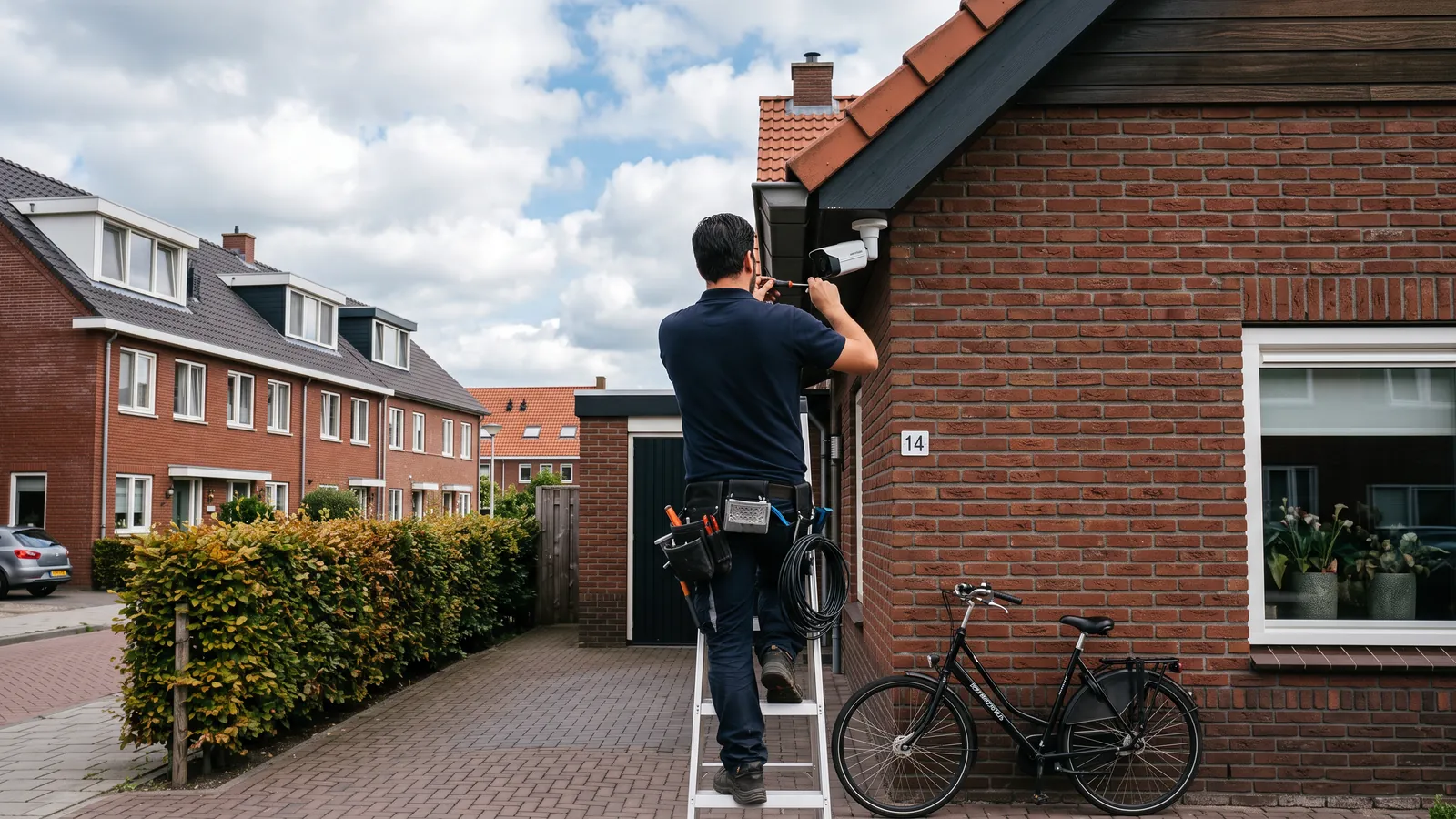
A construction site can have dust, movable containers, changing access and often limited power or network. A camera that is properly positioned today can film a pile of material next week.
Determine project duration, critical zones, power and data routing, lighting, and who manages the images. Take into account visibility on the public road and changing walking routes.
Choose a robust temporary installation and a storage or connection form that suits the project duration. Plan the relocation or removal in advance at the next construction phase.
Check images, recordings, notifications, and physical mounting after installation and after major site changes. Record ownership and end date.
That can be done, provided that reach, data and management are suitable.
After relevant changes in terrain, storage or construction phase.