
The practical signal
A dark garden, bright backlighting, or a white facade right next to the lens requires a different solution. Increasing settings without scene analysis can sometimes actually make the image worse.
Night problems are often only visible in the conditions in which the camera needs to perform; a day test is then insufficient.
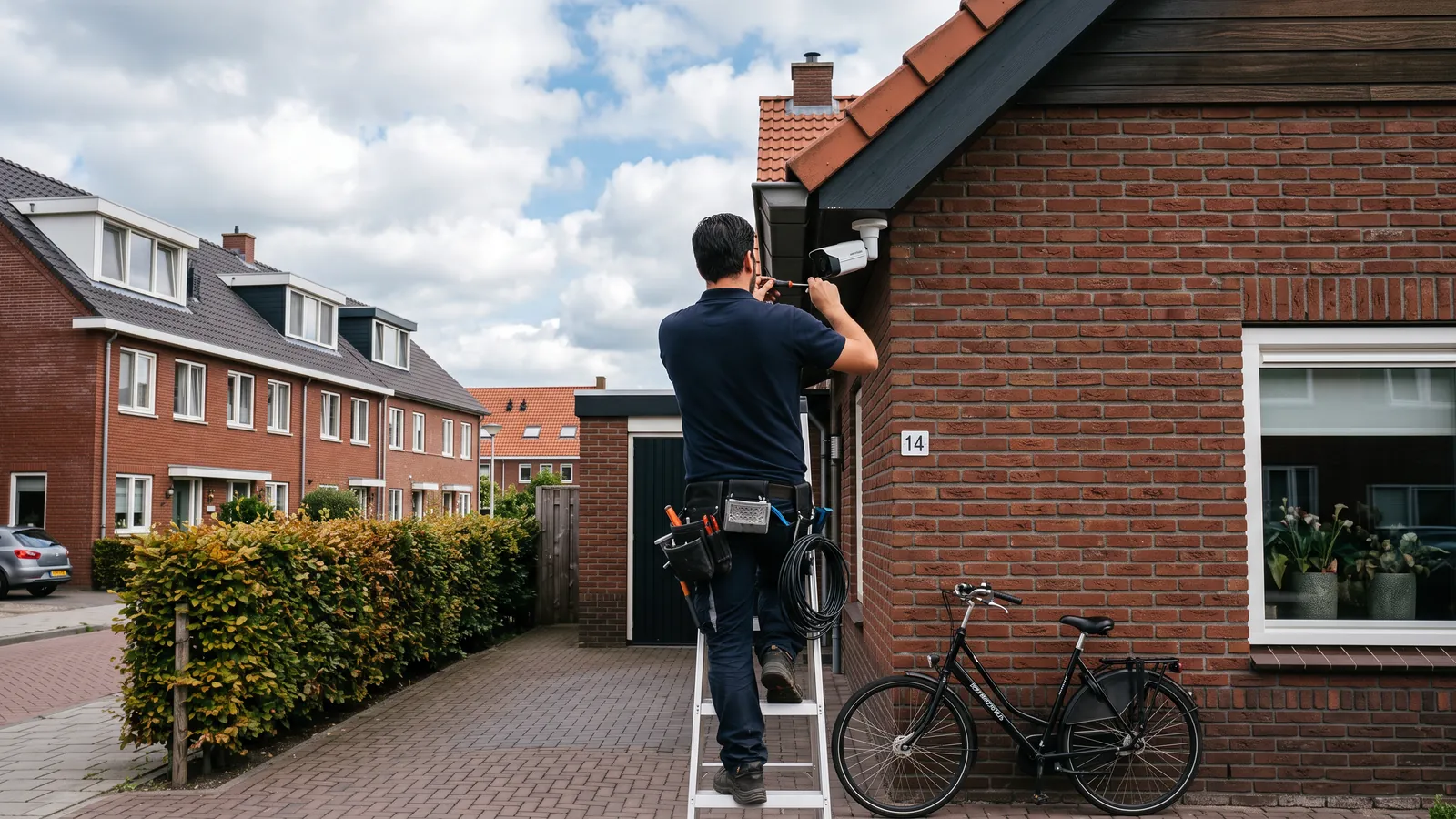
A dark garden, bright backlighting, or a white facade right next to the lens requires a different solution. Increasing settings without scene analysis can sometimes actually make the image worse.
View the recorded image at the time of the complaint and note IR reflection, backlighting, insects, moisture, and motion blur. However, determine which detail you need at what distance.
First adjust the surroundings or viewing angle, and then only choose another night function or lighting. Make sure that any visible lighting does not cause unnecessary inconvenience.
Test with a person on the relevant trail route in darkness and compare the live image with the recording. Also check reports, as nocturnal insects may influence them.
Headlights or incorrect lighting can underlight the person.
Not when light bounces back off objects close to the lens.