
The technical starting position
A short dip can work differently than a long-term failure. Some components start earlier than others, causing the network or recording to not return immediately.
Without power, cameras and recorders stop; the question is how quickly and reliably they recover afterwards and which images are missing in the meantime.
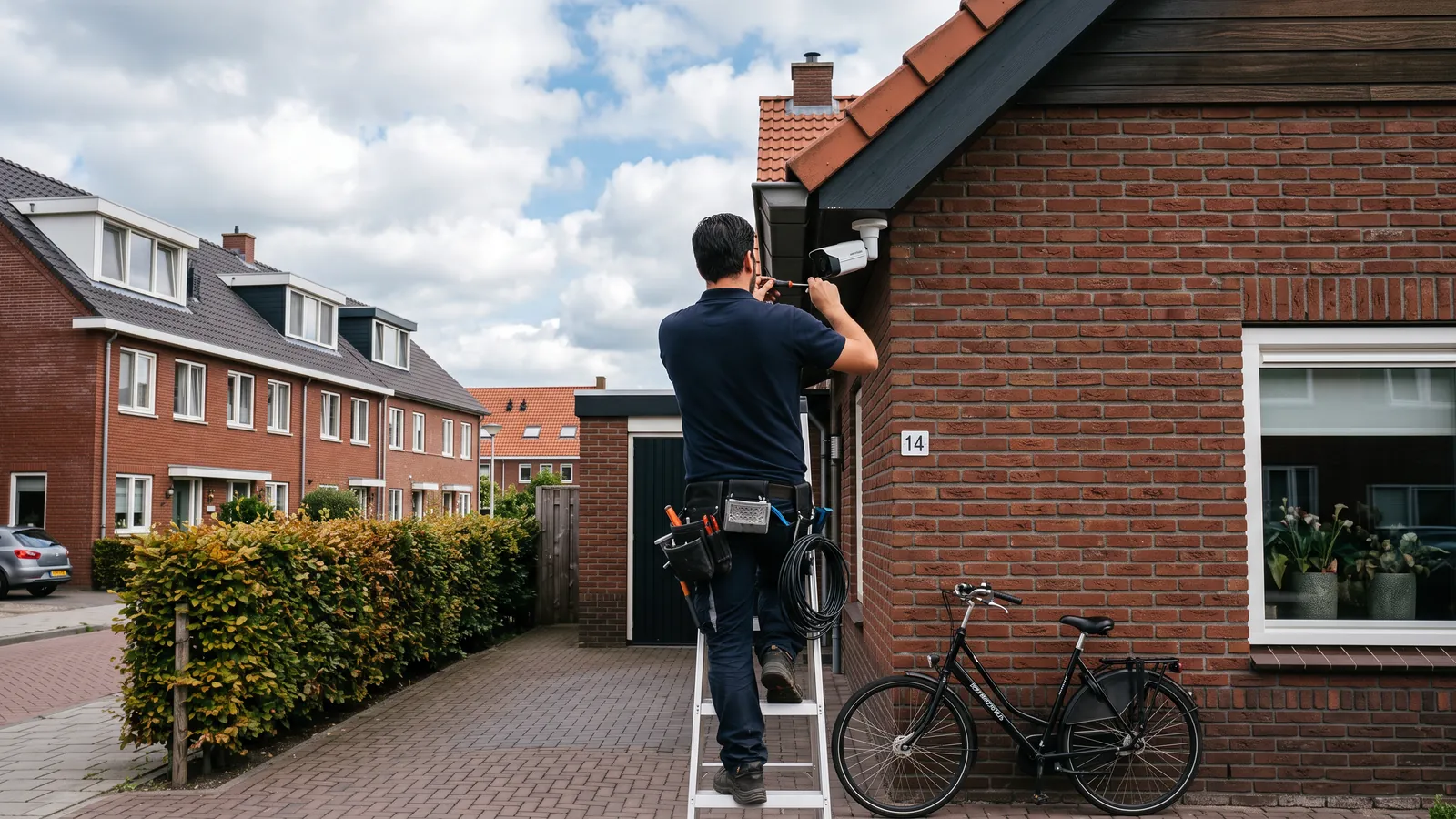
A short dip can work differently than a long-term failure. Some components start earlier than others, causing the network or recording to not return immediately.
Determine which parts lose power: recorder, PoE switch, internet, router, and cameras. Look at which events in the location require a direct notification or a controlled restart.
Create a recovery sequence and only choose emergency power where the desired continuity and technical capacity are clearly evident. Do not treat emergency power as a substitute for a good nutritional design.
Test a controlled interruption where that can be done safely and check after recovery all channels, clock, recording and external app connection. Record missing images honestly.
You have to check that per system after a controlled restart.
Do not have power supply if it is not a recorder, network or internet connection.