
The role in practice
A camera can perform well during the day, but in the dark it can suffer from its own IR on a roof edge, a lamp behind the visitor or moisture on the lens.
Night vision should be usable on the relevant passage; a clear image of a wall or sky says little about recognition.
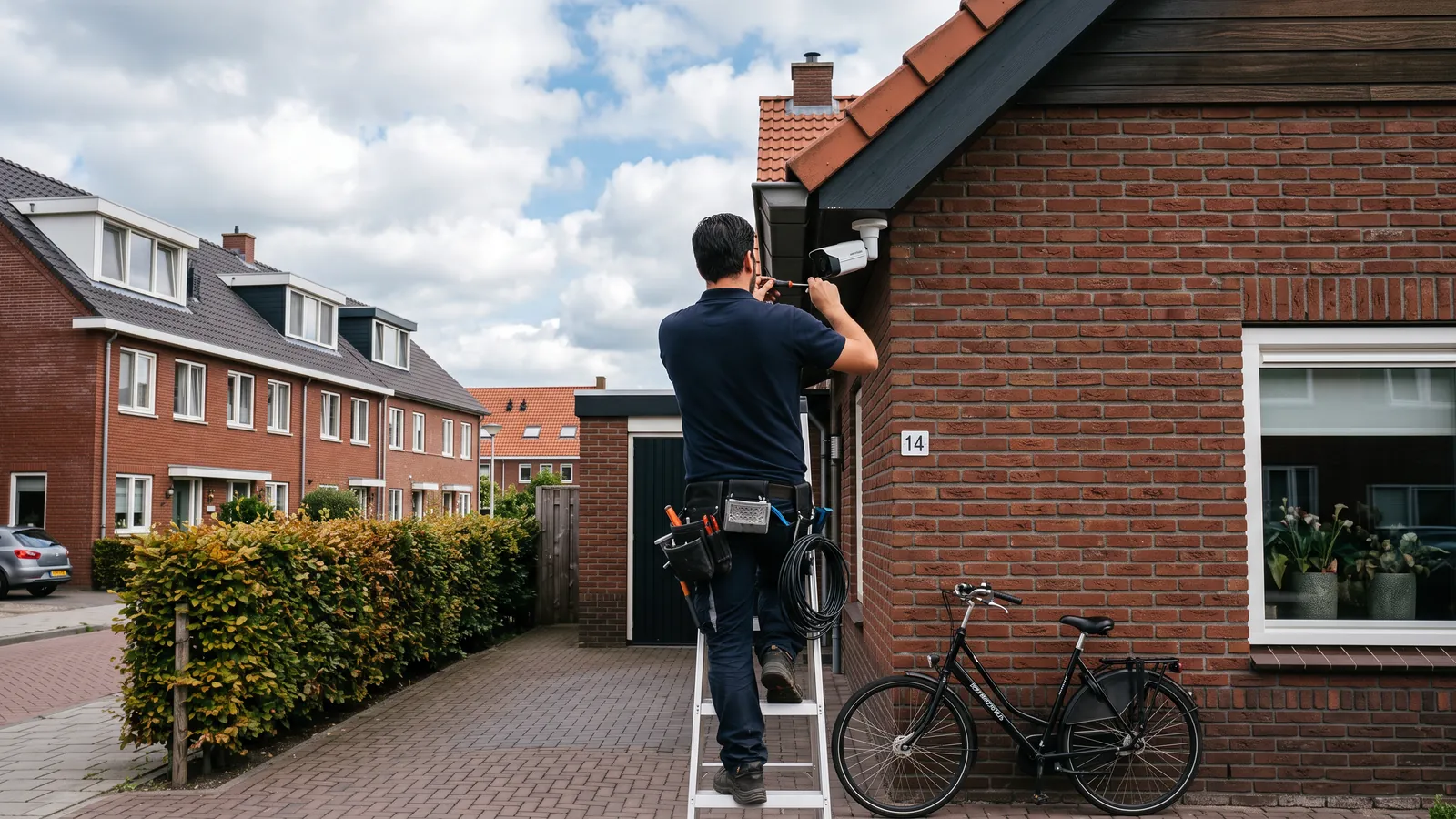
A camera can perform well during the day, but in the dark it can suffer from its own IR on a roof edge, a lamp behind the visitor or moisture on the lens.
View the evening recording at the location where people or vehicles are actually moving. Check reflective surfaces, lens condition, and available lighting.
Adjust the angle, mounting or lighting situation before you only increase digital brightness. Choose another camera function when the desired recognition in this environment is not possible.
Test with a person at normal walking distance during day, twilight and night. Then check both live image and recorded image.
Infrared can reflect nearby on wall, edge or object.
Only when placement and light disturbance have also been well assessed.