
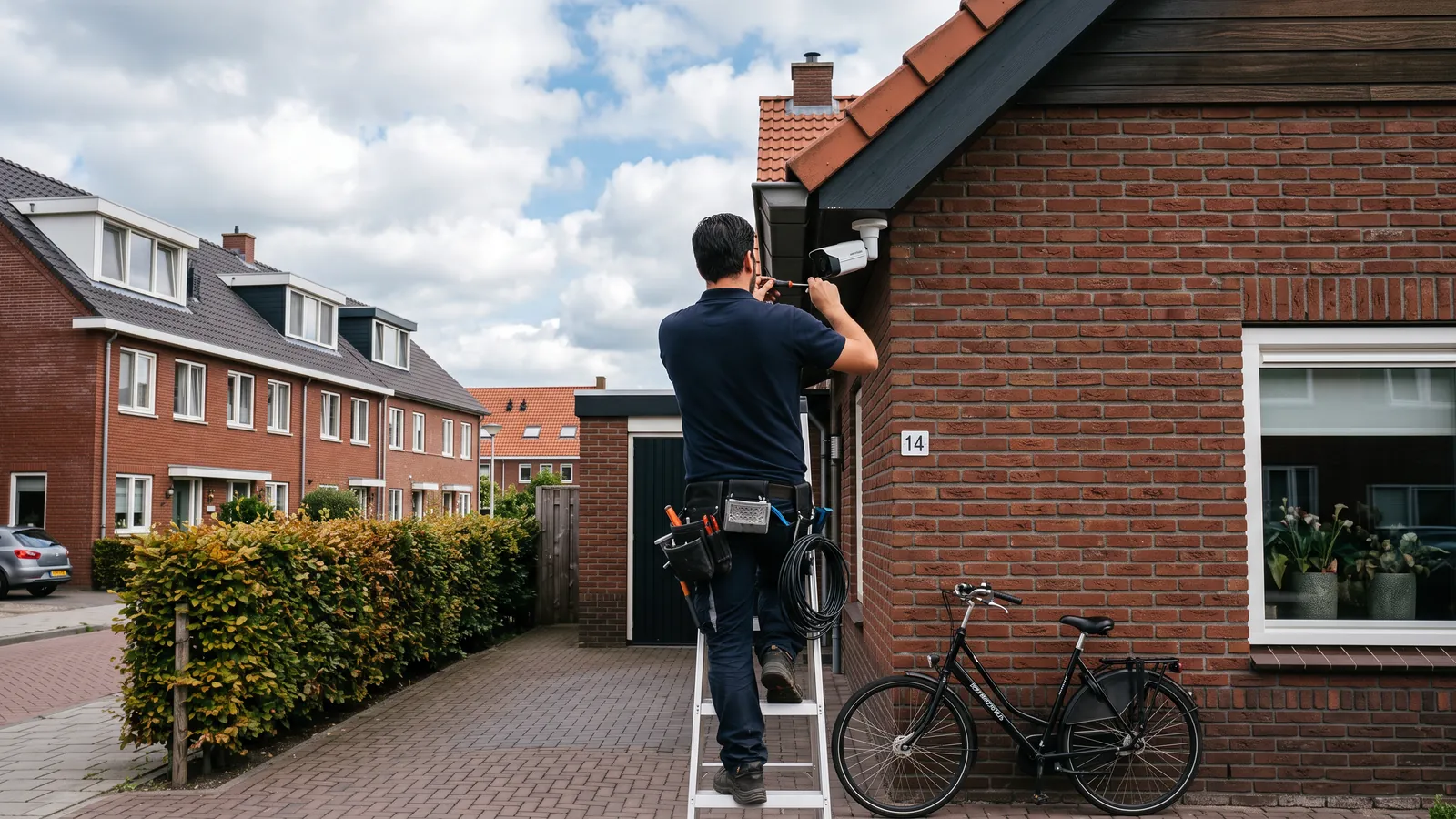
Manage and transfer access to camera footage
advice

Manage and transfer access to camera footage

Access to camera footage can be made through more than one route: a shared app account, a local recorder user, or a remote administrator. Make those routes visible before someone leaves the job or a property is transferred. Otherwise, one access can be revoked while another remains active.

Manage and transfer access to camera footage

Create an overview per user and access form

Note who is viewing via the app, who has a personal recorder account, and which installers or administrators have had access. For each person, list which cameras and features are needed. Live viewing, playback, exporting, and adjusting settings are different roles. Use the features of the specific system; not every model offers the same refinement. Share where possible with personal accounts instead of a single administrator password for everyone.

Demonstrate access from a former employee visibly in

Delete or restrict the relevant app folder and separately check any local accounts. If a shared password was used, then identify who still needs it before it is checked and changed. Also check which other devices or clients work with that data. Record which routes have been modified and let it be verified that the old access no longer works. Removing an icon of a phone does not provide full access control.

Explicitly transfer management in a property transfer

Agree on who will be the owner of the equipment, accounts, and the rest of the setup. Shared viewing access is not automatically transferred from the management account. Follow the official procedure of the used service to disconnect or transfer. Keep a separate record of how existing recordings are handled; do not assume they are included in the transfer without review. Check with the new manager that users can be managed and that old access has been terminated according to the agreed schedule.

Separate rights per branch

Create a table with people, locations, and allowed functions. Test with a user account to see if only the intended cameras are visible. Also check back and export, as limiting the live overview alone does not prove that those functions are also limited. If the system does not support sufficient distinction, discuss a different configuration instead of promising a limitation that the equipment does not implement.

Make temporary access really temporary as well

Record who opens access for a security officer and when it is revoked. Use a supported end date if the system provides that option; otherwise, schedule an explicit management action. Check all used access routes after the event. Keep in the management log which permissions are granted, changed, and terminated, without including passwords in them.

Frequently asked questions

Is transferring the app the same as transferring ownership of the device?

No. Viewing rights and the management of a device or account are different matters. Use the official transfer procedure for the used service.

Is changing one password enough to revoke access?

That depends on the used routes. Check applications, local accounts and any management connections separately.

Can a security officer only view one branch?

Only if the layout supports that and the assigned rights on it have been checked.

AddedView →