
What the existing connection tells
A two-wire system is often attractive for renovation because it can utilize existing cables. IP offers more network flexibility, but requires a plan for switches, addresses, and management.
The choice between two-wire and IP is less about a brand name than about the existing route, desired features and who will manage the system in the future.
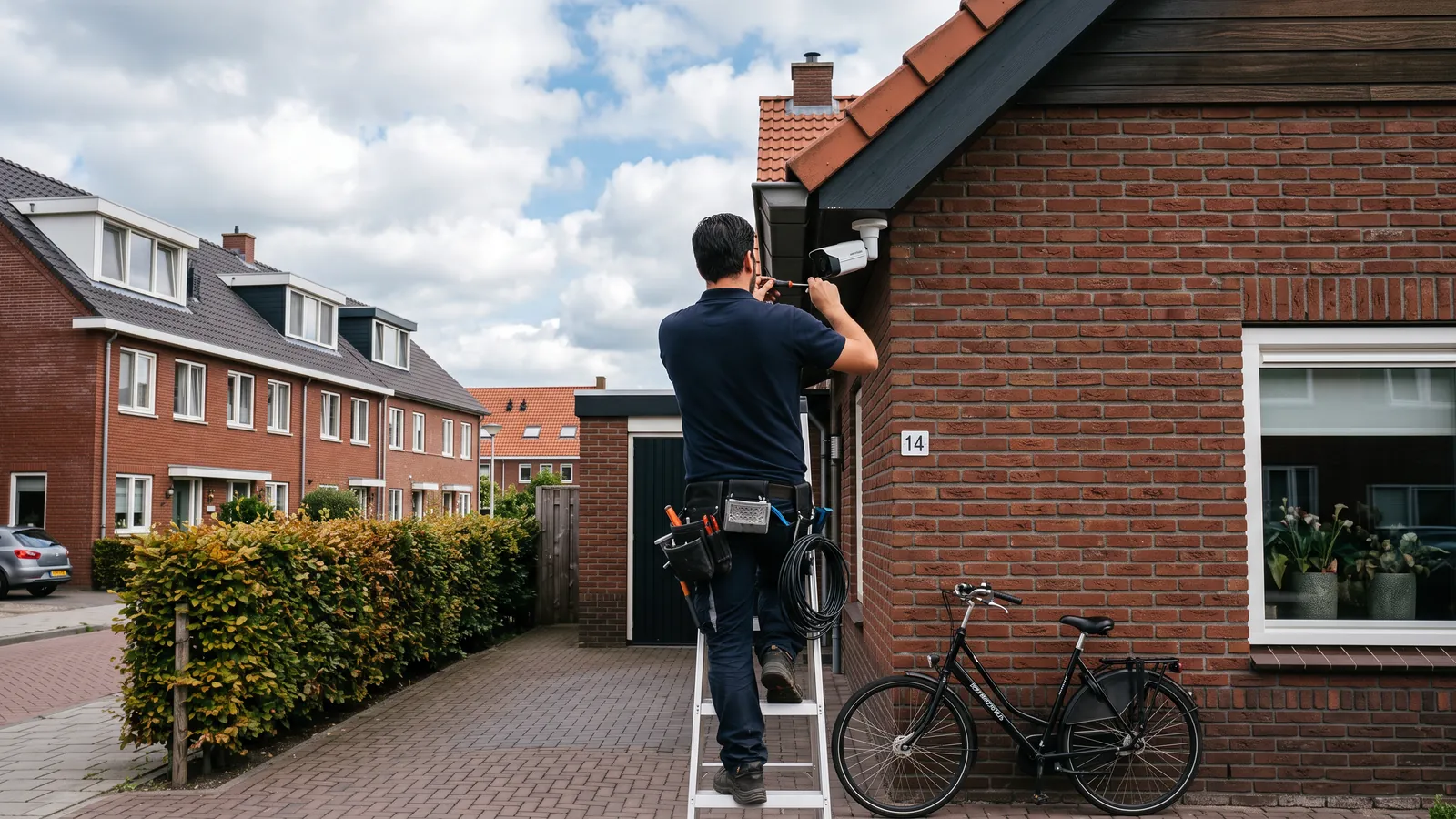
A two-wire system is often attractive for renovation because it can utilize existing cables. IP offers more network flexibility, but requires a plan for switches, addresses, and management.
Check whether only one dwelling is serviced or multiple addresses, indoor stations and doors. For a larger building, user management and expansion weigh more heavily than just today's installation costs.
Choose two-wire when maintaining a demonstrably suitable route is the main reason. Choose IP when you want to centrally manage intercom, camera surveillance and access and can set up the network infrastructure on it.
After delivery, check how a resident calls, opens, sets the volume, and transfers access. For IP, there is also a document with devices, network connection, and administrator.
No. The best choice depends on the cable route, building size and management preferences.
This varies by system. Pre-test that function instead of assuming a general promise.