
Villa

alarm · Villa

alarm system: adjust settings for a villa

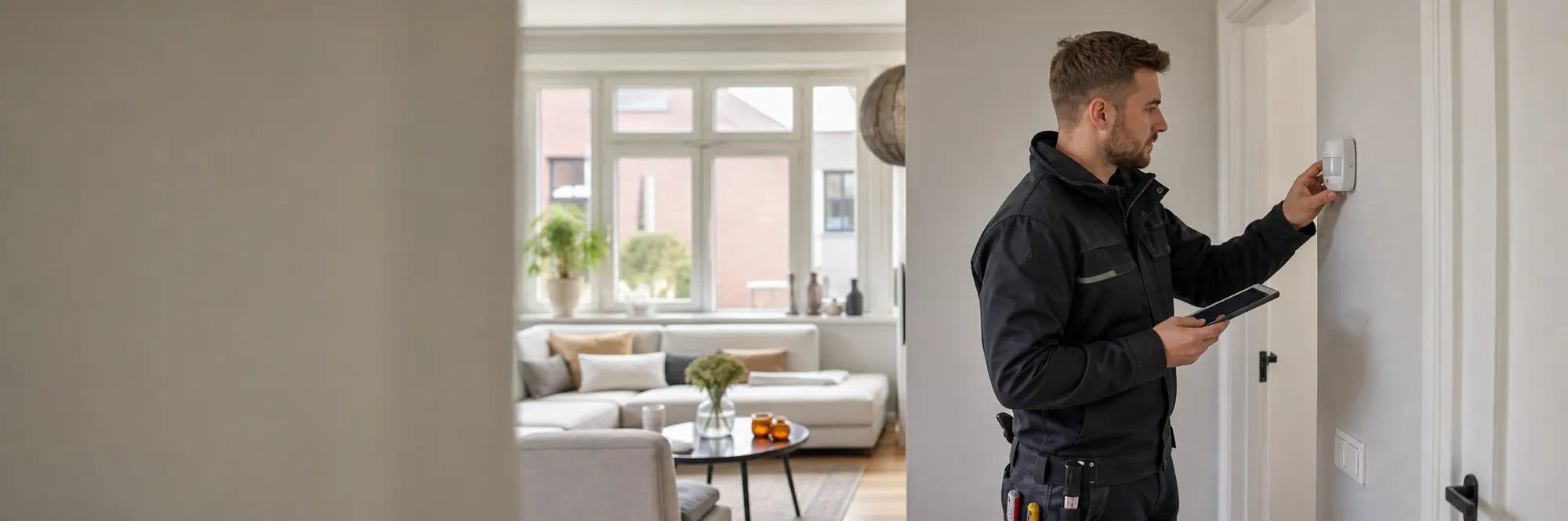
alarm system: adjust settings for a villa. Adjust settings focuses on detector positions, zones, activation times and user codes.

IP Camera Installatie: More than 2,000 businesses helped. View our projects · Read customer reviews

Fixed price in advance Our own technicians 085 - 02 12 771
alarm system for a villa

Prepare the work

Adjust settings tailored to a villa

Adjust settings for a villa starts with the parts that need to change. An alarm system combines detection, control, sirens, communication and possibly follow-up into one risk plan.

For a villa, detection zones must suit the entrances and the people using the building so normal activity does not trigger needless alarms. We include detection zones, access points and who responds to alerts in the assessment and agree on the work with owners.

What we check and deliver

  • Perform a scheduled walk or opening test per detector.
  • Test in and out with a regular user code.
  • Check the receipt of a scheduled test notification.
  • More detectors do not automatically reduce the number of blind spots; placement and detection direction are determining factors.
  • Agree on the work with owners.
01

Adjust settings at a villa

Walk through the various entrances and any additional buildings separately. A change to the main building can say little about a gate or standalone garage. Record for each building section who needs access and which connection covers the distance. For adjust settings, we first discuss detection zones, access points and who responds to alerts with owners. The desired control determines which settings are needed. The quality mainly lies in positioning and sun logic; a poorly positioned alarm remains to give false alerts. We also consider how authorized users can arm and disarm the system and know who handles an alarm.

02

Which settings should be suitable for everyday use? · Villa

Adjust settings focuses on detector positions, zones, activation times and user codes. Start with the users and their tasks. Make a distinction between viewing, operating, and managing. Document the starting situation, modify with focus, and test with a regular user. Indicate during the handover which settings can be independently adjusted and when technical advice is needed. We complete the check against a registered detection test per zone and a working notification for the designated user.

03

Which entrances and walking routes should cause an alarm?

Make a distinction between the exterior shell and the interior routes. A space can be used differently at night than during the day. Pets, heat sources, and doors determine where detectors are relevant. Easy operation is part of the design: users must know which zones to activate. Walking routes, exterior shell, pets, users and internet or mobile backup determine the layout. For a villa, we assess detection zones, access points and who responds to alerts. The key question at this stage is: Which settings should be suitable for everyday use?

04

Preparing alarm system

A map, the operating hours and information about pets help to determine detection and operation. Also indicate who should receive a report. For a villa, we arrange access with owners. Start with the users and their tasks. Make a distinction between viewing, operating, and managing. Document the starting situation, modify with focus, and test with a regular user. Indicate during the handover which settings can be independently adjusted and when technical advice is needed. Explain detection zones, access points and who responds to alerts in advance. Send photos of the equipment and connections without showing access codes.

05

Decisions before adjust settings

More detectors do not automatically reduce the number of blind spots; placement and detection direction are determining factors. Separate zones may be necessary when a part of the property remains occupied. We document the existing configuration and test the change with the user. The choice must suit this situation: For a villa, detection zones must suit the entrances and the people using the building so normal activity does not trigger needless alarms. You can use the agreed features with appropriate access rights.

06

How we check alarm system

Perform a scheduled walk or opening test per detector. Test in and out with a regular user code. Check the receipt of a scheduled test notification. You can use the agreed features with appropriate access rights. At a villa, we check the result with owners and confirm how authorized users can arm and disarm the system and know who handles an alarm. We record which functions were tested and any remaining limitations.

Our process

From planning to a working handover.

  1. 1

    Assess

    detection zones, access points and who responds to alerts

  2. 2

    Carry out

    We document the existing configuration and test the change with the user.

  3. 3

    Hand over

    You can use the agreed features with appropriate access rights.

Clear answers

Frequently asked questions

What should I provide for alarm system at a villa?

A map, the operating hours and information about pets help to determine detection and operation. Also indicate who should receive a report. Tell us that your request concerns adjust settings at a villa. This helps the technician decide what else is needed before an appointment and proposal.

How do you assess adjust settings?

The quality mainly lies in positioning and sun logic; a poorly positioned alarm remains to give false alerts. We assess the equipment already in place, record any issues and discuss additional work before carrying it out.

Can existing equipment continue to work with adjust settings?

More detectors do not automatically reduce the number of blind spots; placement and detection direction are determining factors. We check each component. Send the model details and a description of the existing connection; without these we cannot establish compatibility or the scope of work.

When is the work at a villa complete?

Detectors, zones, alerts, app and emergency power are tested before the system is delivered in a ready-to-go state. We also confirm that authorized users can arm and disarm the system and know who handles an alarm. You receive an explanation of the tested functions and any limitations. We discuss additional repairs separately.

AddedView →