
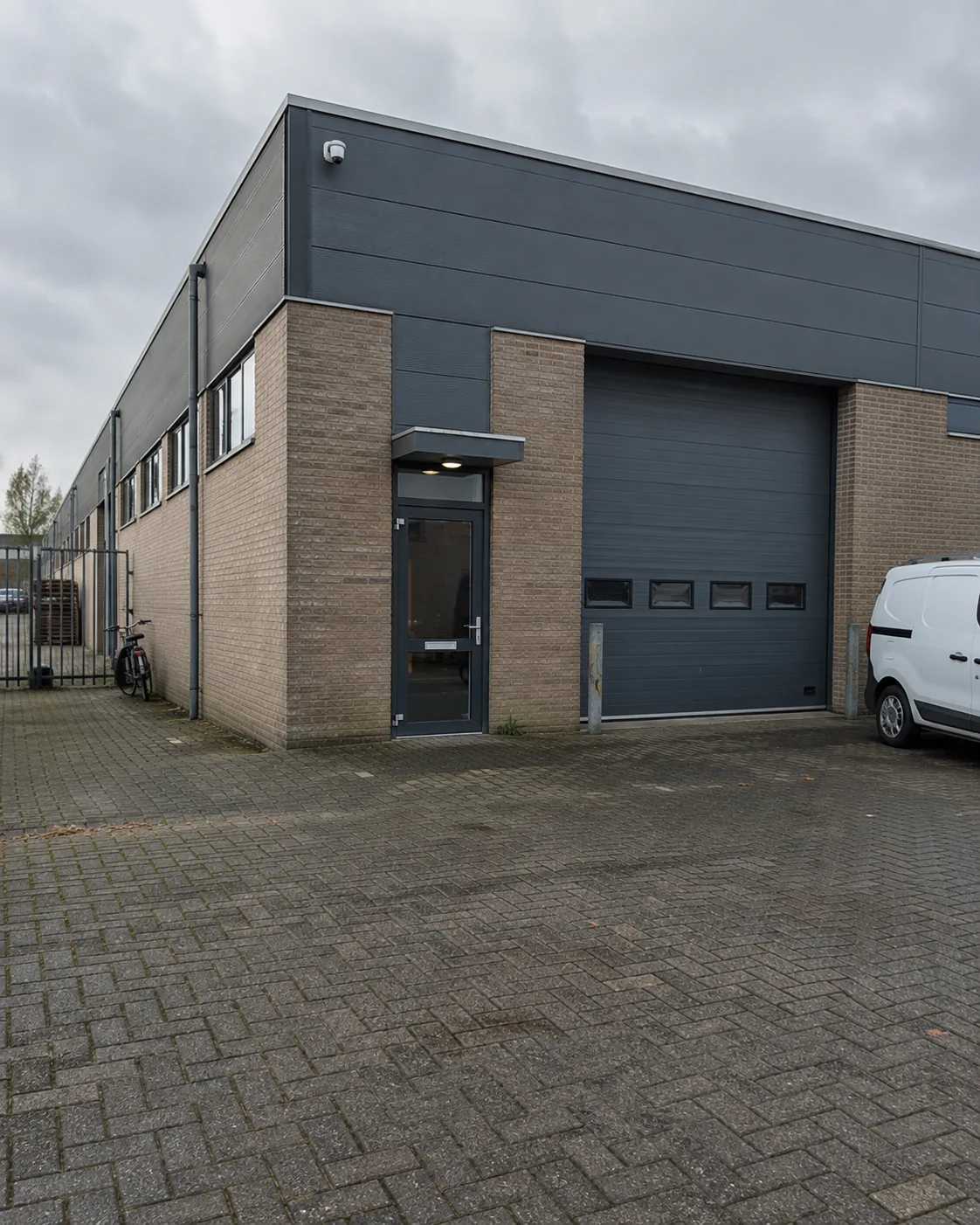
Camera surveillance for a vacant building

By industry

Camera surveillance for a vacant building

Protect a vacant building with cameras and an alarm: an approach for sites without internet or power, with alerts for the owner and property manager.

IP Camera Installatie: More than 2,000 businesses helped. View our projects · Read customer reviews

Fixed price in advance Installation on site Prefer to talk first? 085 - 02 12 771 WhatsApp
Camera surveillance for a vacant building
Home›Services›Camera surveillance for a vacant building

What is included

Noticing what happens in a building nobody visits

An empty building gives itself away. The post piles up, it is dark in the evening and an estate agent’s board stands outside. What then goes wrong is often discovered weeks later: a forced back door, copper taken from the meter cupboard or a leak on the first floor. With a few well-chosen detectors and cameras you hear about it the same day.

  • A walk-round of the entrances you would use yourself to get in
  • A choice between mains power, battery and mobile internet per floor
  • Cameras on the rear, cellar and meter cupboard rather than only the front
  • Detectors that also report water or an open window
  • Alerts for the owner and for the person who goes to look with the key
01

What kind of vacancy do you have

A house waiting six weeks for completion is something different from a school that has been due for demolition for two years. With a short vacancy you do not want to leave anything in the walls. With a long one it pays to run cables and plan maintenance. So tell us the expected end date, even if it is uncertain. Note who still has a key: the estate agent, the previous tenant, the boiler engineer. Every viewing causes movement in the picture. If we know on which days they take place, we set the alerts so you are not called for every visitor.

02

No power, no internet

At handover the energy supply is sometimes cut off. Check that before you order anything, because a camera with a 4G router still needs power. Wireless alarm detectors run on batteries and the hub can last for a while on its own, but not for months. So leave at least one circuit live in the meter cupboard. If that is impossible, we look at a battery solution and how often someone will swap it. We measure mobile coverage indoors, on the spot itself. Concrete and solar-control glass block a lot, especially in a cellar or a building with thick floors.

03

Where uninvited guests get in

The front is rarely the problem. People walk past it. Look at the flat roof of the extension, the cellar window behind the skip, the fire escape and the door to the alley. We start outside and walk the same route as someone who does not want to be seen. A second line follows indoors: a detector in the stairwell and at the meter cupboard, because pipes and cables are there. A camera inside does not need to follow the whole building. One view of the place you always have to pass says more than five pictures of empty rooms.

04

Water, storms and frost

Damage to an empty building does not always come from people. A burst pipe can run for days without anyone seeing the meter turn. A water detector by the boiler, under the sink and at the lowest point of the cellar costs little and warns early. Window contacts show that a window has blown open. A camera with a view of the roof edge shows after a storm whether anything has come loose, so you can send someone in a targeted way. Shut off the water where possible. Technology is an addition to ordinary maintenance and to someone who drops in now and again.

05

Insurer, neighbours and surroundings

Vacancy often changes something in your buildings insurance. Some policies ask for notification, periodic checks or security. Read the terms and send us the text if it contains requirements. Neighbours are also an underrated source. Give them a number they can call. Put up clear signs with cameras and aim them at your own plot, not at the pavement or the gardens next door. Property guardianship with temporary residents is a different choice with its own rules. If you choose that, cameras do not belong in the living space and we change the plan.

06

Taking it away after the vacancy

Agree in advance what happens on sale, letting or demolition. A purchased system can go with you to the next building or stay for the new user. If you hand it over, erase the recordings and remove your own account. Renting through Cameras per month is also an option, with a fixed term that you know beforehand. If the vacancy is shorter than that term, first work out what is more convenient. We set the purchase and rental forms side by side and keep holes in frames and walls to a minimum, certainly in listed buildings.

Regional coverage

Vacant property surveillance in your area

We also travel throughout the Netherlands for camera surveillance of a vacant building. Choose a city to see how we plan an installation there.

View service area →

Clear answers

Frequently asked questions

Can you monitor a building without power using cameras?

To a limited extent. Battery-powered detectors and a battery solution can bridge a period. For continuous images a power point is far more reliable, so leave one circuit on if you can.

Does a camera keep squatters out?

No, a camera does not physically stop anyone. You do see sooner that something is happening. Good locks, closed windows and someone who can go and look remain necessary.

What changes when temporary residents move into the building?

Cameras in their living or working space then have to go. Discuss beforehand which outdoor points are still needed.

Does the estate agent get access to the images?

Only if you want that. A message that a viewing is taking place is usually enough and the agent does not need to watch along.

How soon do I know someone is inside?

An alert normally arrives shortly after detection, as long as power and connection work. That is why we test both at the location and not only in the office.

AddedView →