
Where the function is intended for
Walls, roof edges, glass and spider silk can reflect infrared back to the camera. Therefore, the foreground becomes white while the relevant route remains dark.
A night image problem often isn't in resolution, but in light that bounces too close to the lens.
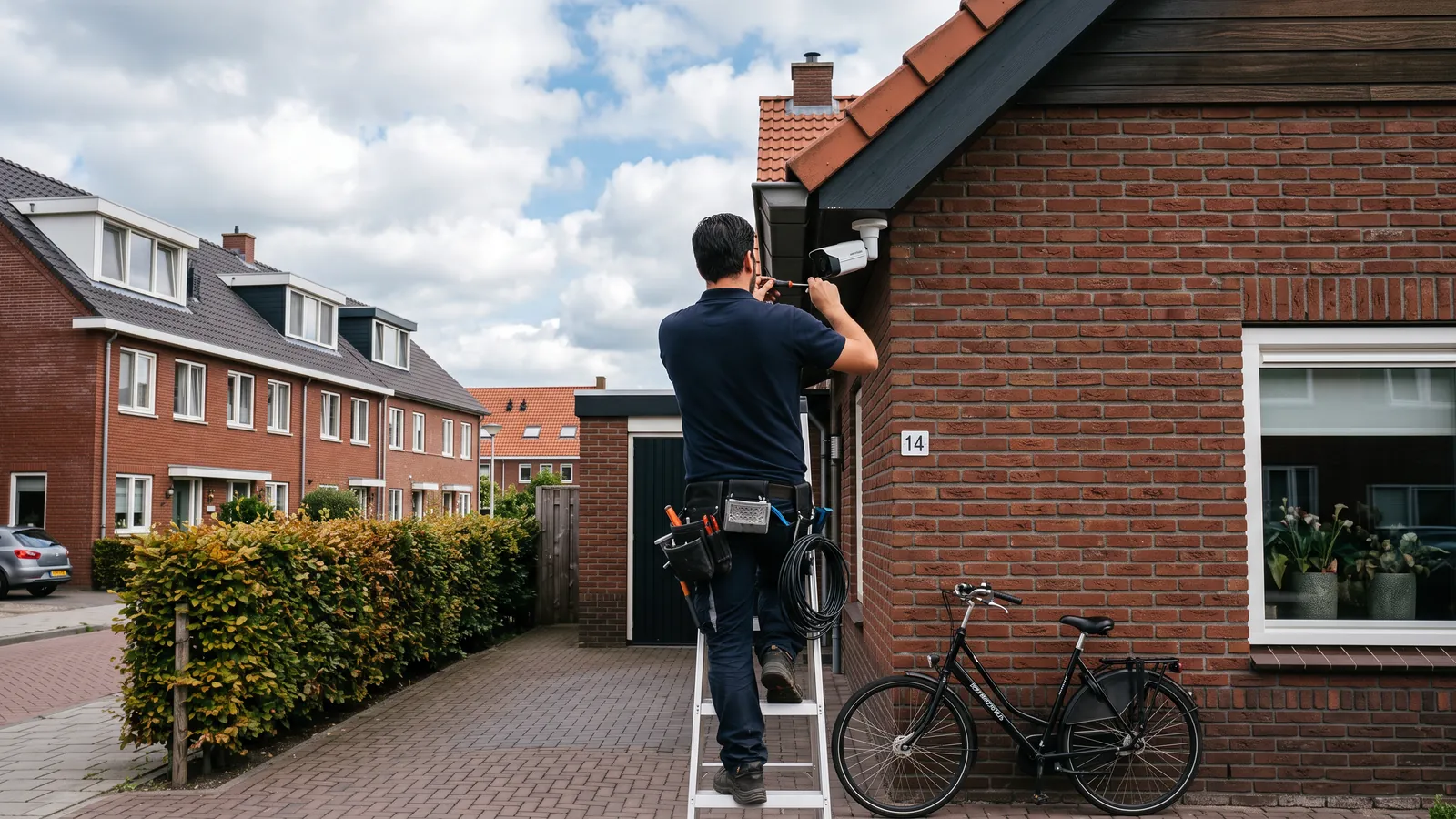
Walls, roof edges, glass and spider silk can reflect infrared back to the camera. Therefore, the foreground becomes white while the relevant route remains dark.
Observe the image at night and note where the reflection occurs. Check the lens, casing, viewing angle, and objects directly in front of the camera before sensitivity or brightness changes.
Adjust placement, angle, or environment so that the infrared remains further away from interfering surfaces. Choose additional lighting only when it fits the location and does not cause unnecessary inconvenience.
Compare the image before and after the change in the same darkness. Test recognition on the relevant path and check that the alerts do not increase due to insects or reflections.
Near-range infrared reflection is a common cause.
It helps with dirt, but does not solve a wrong viewing angle or reflective edge.